รวมทุกเรื่องที่ควรรู้ก่อนเสริมจมูก ตั้งแต่ประเภทของการเสริมจมูก ซิลิโคน กระดูกอ่อน ปลายจมูก การแก้จมูก ราคา ความเจ็บ การพักฟื้น และการดูแลตัวเองหลังผ่าตัด
ศัลยกรรมจมูก หรือ Rhinoplasty คือหนึ่งในการผ่าตัดเสริมความงามที่ได้รับความนิยมสูงในประเทศไทยและทั่วโลก เหตุผลไม่ใช่แค่เพราะจมูกเป็นจุดศูนย์กลางของใบหน้า แต่เพราะการเปลี่ยนแปลงจมูกเพียงเล็กน้อยสามารถส่งผลต่อความสวยงามโดยรวมของใบหน้าได้อย่างชัดเจน
ประเทศไทยเป็นหนึ่งในจุดหมายของผู้ที่เดินทางมารับบริการศัลยกรรมจมูกจากต่างประเทศ ด้วยปัจจัยสำคัญ 3 ประการ ได้แก่ ราคาที่แข่งขันได้, แพทย์ที่มีประสบการณ์ และโรงพยาบาลที่ได้มาตรฐานสากล
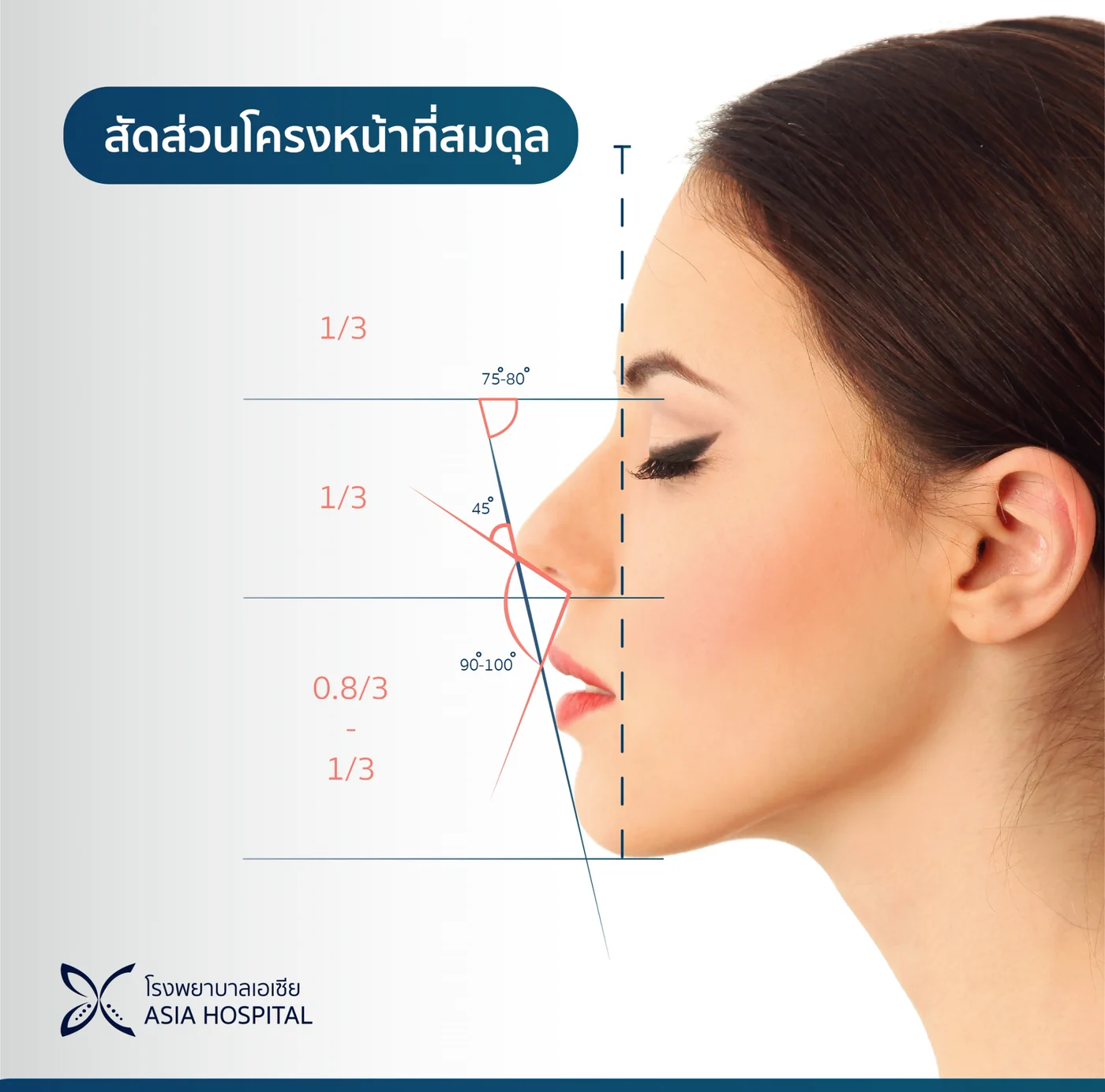
ศัลยกรรมจมูก (Rhinoplasty) คืออะไร?
ศัลยกรรมจมูก คือการผ่าตัดปรับโครงสร้างภายในและภายนอกของจมูก เพื่อให้ได้สัดส่วนที่สมดุลกับใบหน้า ครอบคลุมตั้งแต่:
- การเสริมดั้งจมูก ให้สูงขึ้นและมีเส้นสายชัดเจน
- การปรับปลายจมูก ให้เรียว ตั้ง และได้สัดส่วน
- การลดขนาดจมูก ให้เล็กลงและสมมาตร
- การแก้ไขจมูกที่โค้งงอ หรือผิดรูปจากอุบัติเหตุ
- การแก้ปัญหาการหายใจ เช่น ผนังกั้นจมูกคด (Deviated Septum)
นอกจากด้านความสวยงาม Rhinoplasty ยังเป็นการผ่าตัดที่ช่วยแก้ปัญหาการหายใจผ่านโพรงจมูกได้อีกด้วย ทำให้คุณภาพชีวิตดีขึ้นทั้งด้านกายภาพและความมั่นใจในตัวเอง
ประเภทของการเสริมจมูกที่นิยม มีแบบไหนบ้าง?
1. เสริมจมูกด้วยซิลิโคน (Silicone Implant Rhinoplasty)

การเสริมจมูกด้วยซิลิโคนเป็นวิธีที่ได้รับความนิยมในเอเชีย โดยเฉพาะในไทย เกาหลี และจีน เพราะให้ผลลัพธ์ที่ชัดเจน สวยงาม และราคาประหยัดกว่าวิธีอื่น
ข้อดี:
- ผลลัพธ์ชัดเจนและสามารถกำหนดรูปทรงได้แม่นยำ
- ราคาประหยัดกว่าวิธีใช้กระดูกอ่อน
- ผ่าตัดใช้เวลาสั้นกว่า ฟื้นตัวเร็วกว่า
- หากไม่พอใจสามารถนำออกหรือเปลี่ยนขนาดได้ในภายหลัง
ข้อควรระวัง:
- ซิลิโคนเป็นวัสดุสังเคราะห์ต่างหาก มีโอกาสเคลื่อนตัวหรือเห็นขอบได้หากผิวบางมาก
- ต้องอาศัยฝีมือแพทย์ในการกำหนดรูปทรงให้เป็นธรรมชาติ
2. เสริมจมูกด้วยกระดูกอ่อนของตัวเอง (Rib Cartilage / Autologous Cartilage)
การใช้กระดูกอ่อนของตัวเองในการเสริมจมูกถือเป็นเทคนิคที่ให้ผลลัพธ์เป็นธรรมชาติ เพราะร่างกายจะไม่ต่อต้านวัสดุจากตัวเอง โดยนิยมใช้กระดูกอ่อนจาก:
- กระดูกอ่อนหู (Ear Cartilage) เหมาะสำหรับการปรับปลายจมูก
- กระดูกอ่อนซี่โครง (Rib Cartilage) สำหรับการเสริมดั้งหรือกรณีที่ต้องการวัสดุมาก เช่น การแก้จมูกที่ซับซ้อน
ข้อดี:
- เป็นธรรมชาติ ร่างกายรับได้ดี ไม่มีการต่อต้าน
- ความคงทนสูง อยู่ได้ตลอดชีวิต
- เหมาะสำหรับกรณีที่ต้องการแก้ไขจมูกที่ซับซ้อนหรือทำซ้ำ (Revision)
ข้อควรระวัง:
- มีแผลเพิ่มเติมบริเวณที่เก็บกระดูกอ่อน
- ผ่าตัดใช้เวลานานกว่าและซับซ้อนกว่า
- ราคาสูงกว่าการใช้ซิลิโคน
3. เสริมปลายจมูก (Tip Plasty)
การเสริมปลายจมูกหรือ Tip Plasty คือการปรับแก้เฉพาะบริเวณปลายจมูก โดยไม่ได้แตะส่วนดั้งจมูก เหมาะสำหรับผู้ที่:
- ปลายจมูกบาน หรือมีขนาดใหญ่เกินสัดส่วน
- ปลายจมูกตก หรือชี้ลงมากเกินไป
- ต้องการให้ปลายจมูกเรียวและยกขึ้นเล็กน้อย
ข้อดีคือฟื้นตัวเร็วกว่าการผ่าตัดจมูกแบบเต็มรูปแบบ รอยแผลน้อยกว่า และราคาประหยัดกว่า
4. Revision Rhinoplasty — การแก้ไขจมูกที่ทำมาแล้ว
Revision Rhinoplasty คือการผ่าตัดแก้ไขจมูกที่เคยทำมาแล้วแต่ไม่พอใจผลลัพธ์ หรือเกิดปัญหา เช่น ซิลิโคนเคลื่อน ปลายจมูกแข็งผิดธรรมชาติ หรือจมูกยุบหลังผ่าตัด
การแก้จมูกซ้ำถือเป็นงานที่ซับซ้อนในศัลยกรรมจมูก เนื่องจากต้องทำงานกับเนื้อเยื่อที่มีพังผืดและรอยแผลเป็นจากการผ่าตัดครั้งก่อน จึงต้องเลือกศัลยแพทย์ตกแต่งที่มีประสบการณ์เฉพาะทางด้านนี้โดยตรง
ราคาศัลยกรรมจมูกในไทย — เท่าไหร่ถึงเรียกว่าสมเหตุสมผล?
ราคาเสริมจมูกในไทยมีความหลากหลายมาก ขึ้นอยู่กับหลายปัจจัย โดยช่วงราคาในตลาดโดยทั่วไปมีดังนี้:
| ประเภทการเสริมจมูก |
ช่วงราคาในตลาด (โดยประมาณ) |
| เสริมดั้งด้วยซิลิโคนอย่างเดียว |
30,000–60,000 บาท |
| เสริมปลายจมูก (Tip Plasty) |
25,000–50,000 บาท |
| เสริมจมูกแบบผสม ซิลิโคน + กระดูกอ่อนหู |
50,000–90,000 บาท |
| เสริมจมูกด้วยกระดูกอ่อนซี่โครง |
80,000–150,000 บาท |
| Revision Rhinoplasty |
70,000–150,000 บาท ขึ้นไป |
หมายเหตุสำคัญ: ตารางข้างต้นเป็นช่วงราคาในตลาดประเทศไทยโดยรวม ไม่ใช่ราคาของโรงพยาบาลเอเซีย สำหรับราคาเริ่มต้นและรายการราคาที่เป็นปัจจุบันของโรงพยาบาลเอเซีย กรุณาดูที่หน้า บริการของเรา ซึ่งแสดงเงื่อนไขของแต่ละรายการไว้ชัดเจน ราคาสุดท้ายขึ้นอยู่กับการประเมินของแพทย์เป็นรายบุคคล
ปัจจัยที่กำหนดราคาเสริมจมูก
ประสบการณ์และชื่อเสียงของแพทย์
ศัลยแพทย์ตกแต่งที่มีผลงานเป็นที่ยอมรับ ผ่านเคสมาหลายพันราย ย่อมมีค่าตอบแทนสูงกว่า แต่ความเสี่ยงที่จะต้องแก้ไขซ้ำก็ต่ำกว่ามาก
ความซับซ้อนของงาน
จมูกแต่ละคนมีโครงสร้างที่ต่างกัน งานบางประเภท เช่น การแก้ผนังกั้นจมูกคดร่วม หรือการเสริมจมูกในผู้ที่เคยผ่าตัดมาแล้ว จะมีราคาสูงกว่างานปกติ
วัสดุและเทคนิคที่เลือกใช้
กระดูกอ่อนซี่โครงมีราคาสูงกว่าซิลิโคน เพราะใช้เวลาผ่าตัดนานกว่าและต้องการความชำนาญสูงกว่า
มาตรฐานของสถานพยาบาล
โรงพยาบาลที่ได้รับการรับรองมาตรฐาน JCI และมีทีมแพทย์เฉพาะทางครบ ย่อมมีค่าใช้จ่ายสูงกว่าคลินิกทั่วไป แต่ให้ความปลอดภัยและการดูแลที่ต่างกัน
สำคัญมาก: อย่าตัดสินใจเลือกสถานที่เสริมจมูกจากราคาที่ถูกที่สุดเพียงอย่างเดียว เพราะราคาถูกผิดปกติมักหมายถึงการใช้วัสดุคุณภาพต่ำ แพทย์ไม่มีความเชี่ยวชาญเฉพาะทาง หรือการดูแลหลังผ่าตัดที่ไม่ครบถ้วน
ทำจมูกเจ็บไหม? คาดหวังอะไรได้จากกระบวนการผ่าตัด?
ระหว่างการผ่าตัด
ผู้รับบริการจะไม่รู้สึกเจ็บปวดระหว่างการผ่าตัดแต่อย่างใด เพราะจะได้รับยาชาเฉพาะที่หรือการดมยาสลบตามความเหมาะสมของกรณี โดยทั่วไปการเสริมจมูกแบบไม่ซับซ้อนใช้เวลา 1-2 ชั่วโมง ส่วนการผ่าตัดที่ซับซ้อน เช่น การใช้กระดูกอ่อนซี่โครง อาจใช้เวลา 3-4 ชั่วโมง
หลังการผ่าตัด
- วันที่ 1-3: มีอาการปวดตื้อ ๆ บวม และช้ำบริเวณตา ควบคุมได้ด้วยยาแก้ปวดทั่วไป
- วันที่ 4-7: อาการบวมและช้ำเริ่มลดลง แพทย์มักนัดถอดเฝือกและไหม
- สัปดาห์ที่ 2-4: สามารถกลับมาใช้ชีวิตปกติได้ส่วนใหญ่ แต่ยังบวมอยู่บ้าง
- 3-6 เดือน: อาการบวมลดลงอย่างมีนัยสำคัญ เริ่มเห็นรูปทรงจมูกที่แท้จริง
- 1 ปี: รูปทรงจมูกนิ่งสมบูรณ์ เห็นผลลัพธ์สุดท้ายชัดเจน
วิธีดูแลตัวเองหลังเสริมจมูก
สิ่งที่ต้องทำ
- นอนหัวสูง 30 องศา ตลอดสัปดาห์แรก เพื่อลดอาการบวม
- ประคบเย็น บริเวณรอบตาในช่วง 48 ชั่วโมงแรก ลดอาการช้ำ
- ทำความสะอาดแผล ตามคำแนะนำของแพทย์อย่างเคร่งครัด
- มาตามนัด ทุกครั้งเพื่อให้แพทย์ติดตามผล
- รับประทานอาหารที่มีโปรตีนสูง เพื่อช่วยให้แผลหายเร็วขึ้น
สิ่งที่ต้องหลีกเลี่ยง
- งดสูบบุหรี่และแอลกอฮอล์ อย่างน้อย 2 สัปดาห์ก่อนและหลังผ่าตัด เพราะทำให้แผลหายช้าและเพิ่มความเสี่ยงในการติดเชื้อ
- ไม่สวมแว่นตาทับสันจมูก อย่างน้อย 4-6 สัปดาห์ เพราะน้ำหนักแว่นอาจทำให้ซิลิโคนเคลื่อนตัว
- หลีกเลี่ยงแสงแดดจัด ในช่วงพักฟื้น เพราะทำให้แผลเป็นสีเข้มและรอยช้ำฟื้นตัวช้า
- งดออกกำลังกายหนัก อย่างน้อย 4-6 สัปดาห์
- ไม่ขยี้หรือบีบจมูก โดยเด็ดขาดในช่วง 3 เดือนแรก
- หลีกเลี่ยงการดำน้ำ หรืองานที่อาจกระแทกจมูก
ผลลัพธ์ของการเสริมจมูกถาวรไหม?
ซิลิโคนและกระดูกอ่อนที่ใช้ในการศัลยกรรมจมูกมีความคงทนสูง หากไม่มีอุบัติเหตุรุนแรง การติดเชื้อ หรือภาวะแทรกซ้อน สามารถอยู่ได้ตลอดชีวิต
อย่างไรก็ตาม ควรทราบว่า:
- ผิวหนังและเนื้อเยื่อรอบจมูกอาจเปลี่ยนแปลงตามอายุ ทำให้รูปทรงเปลี่ยนแปลงเล็กน้อยได้ตามธรรมชาติ
- กระดูกอ่อนซี่โครงในบางกรณีอาจโค้งงอได้เล็กน้อยตามเวลา
- หากเกิดอุบัติเหตุกระทบจมูกรุนแรง อาจต้องทำการแก้ไข
ใครเหมาะกับการทำศัลยกรรมจมูก?
เหมาะสำหรับ:
- ผู้ที่มีอายุ 18 ปีขึ้นไป (กระดูกใบหน้าเติบโตเต็มที่แล้ว)
- ผู้ที่สุขภาพแข็งแรง ไม่มีโรคที่เป็นข้อห้ามในการผ่าตัด
- ผู้ที่มีความคาดหวังที่สมเหตุสมผลและเข้าใจข้อจำกัดของการผ่าตัด
- ผู้ที่ต้องการปรับปรุงรูปลักษณ์จมูกเพื่อเพิ่มความมั่นใจ
- ผู้ที่มีปัญหาการหายใจเนื่องจากโครงสร้างจมูก
ไม่เหมาะสำหรับ:
- ผู้ที่มีอายุต่ำกว่า 18 ปี (ยกเว้นกรณีทางการแพทย์)
- ผู้ที่มีโรคเลือดหรือภูมิคุ้มกันบกพร่อง
- ผู้ที่สูบบุหรี่จัดและไม่สามารถหยุดได้ก่อนผ่าตัด
- ผู้ที่มีความคาดหวังไม่สมเหตุสมผล เช่น ต้องการจมูกที่เหมือนดาราคนใดคนหนึ่งพอดี
ทำไมต้องเลือกศัลยแพทย์ตกแต่งในการเสริมจมูก?
นี่คือจุดที่หลายคนมองข้ามและนำไปสู่ปัญหาจมูกล่มเหลวในภายหลัง การเสริมจมูกไม่ใช่การฉีดฟิลเลอร์ที่ทำได้ง่าย แต่เป็นการผ่าตัดที่ต้องอาศัยความเข้าใจเชิงลึกในโครงสร้างกายวิภาคของจมูก รวมถึงทักษะการผ่าตัดระดับสูง
ศัลยแพทย์ตกแต่ง (Plastic Surgeon) ผ่านการฝึกอบรมเฉพาะทางรวมกว่า 5 ปี หลังจบแพทย์ทั่วไป และต้องผ่านการรับรองจากแพทยสภา จึงมีความสามารถรับมือกับสถานการณ์ที่อาจเกิดขึ้นระหว่างและหลังการผ่าตัดได้อย่างปลอดภัย
ควรหลีกเลี่ยงการทำศัลยกรรมจมูกกับแพทย์ที่ผ่านเพียงคอร์สอบรมระยะสั้น เพราะความรู้และประสบการณ์ที่จำกัดอาจนำไปสู่ผลลัพธ์ที่ไม่น่าพึงพอใจ และการแก้ไขที่มีค่าใช้จ่ายสูงกว่าเดิมมาก
โรงพยาบาลเอเซีย: ศัลยกรรมจมูกโดยศัลยแพทย์เฉพาะทาง
โรงพยาบาลเอเซียพร้อมให้บริการเสริมจมูก ศัลยกรรมจมูก และแก้ไขจมูก ทุกประเภท ด้วยทีมศัลยแพทย์ตกแต่งที่มีประสบการณ์ ผ่านการรับรองจากแพทยสภา และโรงพยาบาลได้รับมาตรฐานกระทรวงสาธารณสุขและมาตรฐานสากล JCI
ทีมแพทย์พร้อมให้คำปรึกษาอย่างละเอียด ตั้งแต่การวิเคราะห์โครงสร้างจมูกของคุณ การแนะนำเทคนิคที่เหมาะสม ไปจนถึงการดูแลติดตามผลหลังการผ่าตัด
หมายเหตุ: ศัลยกรรมจมูกเป็นการผ่าตัดที่มีความเสี่ยงและภาวะแทรกซ้อนที่ต้องรับทราบก่อนตัดสินใจ ผลลัพธ์ขึ้นอยู่กับโครงสร้างจมูกเดิม สภาพผิวหนัง และการปฏิบัติตัวหลังผ่าตัดของแต่ละบุคคล
Rhinoplasty is among the most frequently performed aesthetic operations in Thailand and worldwide. Not simply because the nose sits at the centre of the face, but because a small change to it visibly alters the balance of the whole face.
Thailand is one of the destinations patients travel to for rhinoplasty, for three reasons: competitive pricing, experienced surgeons, and hospitals meeting international standards.
What is rhinoplasty?
Rhinoplasty is surgery to reshape the internal and external structure of the nose so that it sits in proportion with the face. It covers:
- Raising the bridge for a more defined profile
- Refining the tip — narrower, better projected, better proportioned
- Reducing size and improving symmetry
- Correcting a crooked nose, including deformity after injury
- Correcting breathing problems, such as a deviated septum
Beyond appearance, rhinoplasty can improve airflow through the nasal passages, which affects quality of life as much as confidence does.
Types of rhinoplasty
1. Silicone implant rhinoplasty
Silicone is widely used across Asia, particularly in Thailand, Korea and China, because the result is defined and predictable and the cost is lower than the alternatives.
Advantages
- A clearly defined result with precise control over shape
- Less expensive than cartilage techniques
- Shorter operating time and faster recovery
- Can be removed or exchanged later if you are not satisfied
Considerations
- Silicone is a synthetic material; it can shift, and its edge may be visible where skin is very thin
- Achieving a natural shape depends heavily on the surgeon’s skill
2. Autologous cartilage (rib or ear)
Using your own cartilage produces a natural result, since the body does not react against its own tissue. The usual sources are:
- Ear cartilage — suited to refining the tip
- Rib cartilage — for raising the bridge, or where a larger volume of material is needed, such as complex revision work
Advantages
- Natural, well tolerated, no rejection
- Highly durable, lasting a lifetime
- Suited to complex or revision cases
Considerations
- An additional incision where the cartilage is harvested
- Longer and more complex surgery
- More expensive than silicone
3. Tip plasty
Tip plasty adjusts the tip of the nose alone, leaving the bridge untouched. It suits people whose:
- Nasal tip is broad or out of proportion
- Tip droops or points downwards
- Tip needs narrowing and slight elevation
Recovery is faster than full rhinoplasty, scarring is less, and it costs less.
4. Revision rhinoplasty
Revision rhinoplasty corrects a nose that has already been operated on, where the result was unsatisfactory or a problem developed — a shifted implant, an unnaturally firm tip, or collapse after surgery.
Revision is among the most demanding work in rhinoplasty, because it means operating on tissue already scarred and fibrosed from previous surgery. It calls for a plastic surgeon with direct experience in revision cases.
What does rhinoplasty cost in Thailand?
Prices vary considerably. General market ranges are:
| Procedure |
Typical market range |
| Silicone bridge implant only |
THB 30,000–60,000 |
| Tip plasty |
THB 25,000–50,000 |
| Combined silicone + ear cartilage |
THB 50,000–90,000 |
| Rib cartilage rhinoplasty |
THB 80,000–150,000 |
| Revision rhinoplasty |
THB 70,000–150,000+ |
Important: the table above reflects general market ranges in Thailand, not Asia Cosmetic Hospital’s prices. For our current starting prices and the conditions attached to each item, see the Our Services page. The final figure depends on an individual medical assessment.
What drives the price
The surgeon’s experience and standing
A surgeon with a recognised body of work and thousands of cases behind them charges more — and the likelihood of needing revision is correspondingly lower.
Complexity
Every nose is structurally different. Some work — correcting a deviated septum at the same time, or operating on a nose that has been operated on before — costs more than a straightforward case.
Material and technique
Rib cartilage costs more than silicone: longer operating time and greater technical demand.
Hospital standards
A JCI-accredited hospital with a full specialist team costs more than a general clinic, with a corresponding difference in safety and standard of care.
Worth stressing: do not choose on lowest price alone. An unusually low price commonly means low-grade materials, a surgeon without specialist training, or incomplete aftercare.
Does it hurt? What the process involves
During surgery
You will not feel pain during the operation; local anaesthetic or general anaesthesia is used as appropriate to the case. Straightforward rhinoplasty generally takes one to two hours; complex work such as rib cartilage grafting may take three to four.
After surgery
- Days 1–3: dull aching, swelling and bruising around the eyes, controlled with ordinary analgesia
- Days 4–7: swelling and bruising begin to settle; the splint and sutures are usually removed
- Weeks 2–4: most normal activity resumes, with some swelling still present
- Months 3–6: swelling reduces markedly and the true shape begins to show
- One year: the shape has fully settled and the final result is clear
Aftercare
Do
- Sleep with your head elevated about 30 degrees through the first week, to reduce swelling
- Apply cold compresses around the eyes for the first 48 hours to limit bruising
- Clean the wound exactly as instructed
- Attend every follow-up appointment
- Eat a high-protein diet to support healing
Avoid
- Smoking and alcohol for at least two weeks before and after — both slow healing and raise infection risk
- Glasses resting on the bridge for at least four to six weeks; their weight can displace an implant
- Strong sunlight during recovery — it darkens scars and slows bruise resolution
- Strenuous exercise for at least four to six weeks
- Rubbing or squeezing the nose at all for the first three months
- Diving, or any activity that risks a knock to the nose
Are the results permanent?
The silicone and cartilage used in rhinoplasty are durable. Absent significant injury, infection or complication, they can last a lifetime.
Some things to be aware of:
- Skin and soft tissue around the nose change with age, so the shape may alter slightly and naturally over time
- Rib cartilage can, in some cases, warp slightly over the years
- A significant injury to the nose may require correction
Who is rhinoplasty for?
Suitable for
- Those aged 18 and over, once facial bone growth is complete
- Those in good health, with no condition contraindicating surgery
- Those with realistic expectations who understand the limits of surgery
- Those wanting to change the appearance of the nose for their own confidence
- Those with breathing difficulty arising from nasal structure
Not suitable for
- Those under 18, other than for medical indications
- Those with bleeding disorders or immune deficiency
- Heavy smokers unable to stop before surgery
- Those with unrealistic expectations, such as wanting a nose identical to a particular celebrity’s
Why a plastic surgeon?
This is the point most often overlooked, and it is where problems later begin. Rhinoplasty is not a filler injection. It is surgery requiring detailed understanding of nasal anatomy and a high level of surgical skill.
A plastic surgeon completes more than five years of specialist training after general medical qualification and must be certified by the Medical Council, which is what equips them to handle what can arise during and after the operation.
Avoid having rhinoplasty performed by a doctor whose training consists of a short course. Limited knowledge and experience lead to disappointing results, and correcting them costs considerably more than the original operation.
Asia Cosmetic Hospital: rhinoplasty by specialist surgeons
Asia Cosmetic Hospital provides rhinoplasty, including revision work, with experienced plastic surgeons certified by the Medical Council, in a hospital accredited by the Ministry of Public Health and holding JCI international accreditation.
The team consults in detail — analysing your nasal structure, recommending an appropriate technique, and following up after surgery.
Note: Rhinoplasty is surgery, with risks and possible complications that should be understood before proceeding. Results depend on existing nasal structure, skin quality and how closely after-care instructions are followed.