ฟิลเลอร์เป็นก้อน ไหลย้อย ไม่สม่ำเสมอ แก้ไขได้อย่างไร รวมวิธีสลาย ขูด และเลาะฟิลเลอร์ สัญญาณเตือนที่ต้องรีบพบแพทย์ และเกณฑ์เลือกสถานพยาบาล
การฉีดฟิลเลอร์เป็นหนึ่งในวิธีเสริมความงามที่ได้รับความนิยมอย่างแพร่หลายในปัจจุบัน ไม่ว่าจะเป็นการฉีดฟิลเลอร์จมูก, ฉีดฟิลเลอร์คาง, ฉีดฟิลเลอร์หน้าผาก, ฉีดฟิลเลอร์ร่องแก้ม หรือฉีดฟิลเลอร์หน้าอก แต่เมื่อผลลัพธ์ไม่เป็นไปตามที่คาดหวัง ปัญหาต่าง ๆ ก็ตามมา และนั่นคือจุดเริ่มต้นของความทุกข์ใจที่หลายคนต้องเผชิญ
ฟิลเลอร์มีปัญหา? รู้จักสาเหตุก่อนตัดสินใจแก้ไข
ปัญหาที่พบบ่อยจากการฉีดฟิลเลอร์ ได้แก่:
- ฟิลเลอร์เป็นก้อน หรือฟิลเลอร์ตะปุ่มตะป่ำใต้ผิวหนัง
- ฟิลเลอร์เหลว ไม่ได้รูปทรง ทำให้ใบหน้าดูผิดสัดส่วน
- ฟิลเลอร์ไม่สม่ำเสมอ เกิดความไม่สมดุลบนใบหน้า
- ฟิลเลอร์ไม่ได้มาตรฐาน ที่อาจก่อให้เกิดการอักเสบหรือเนื้อตาย
- ฟิลเลอร์อุดตันหลอดเลือด ภาวะแทรกซ้อนที่อันตราย
- ผิวหนังเน่าเปื่อย อันเป็นผลจากฟิลเลอร์คุณภาพต่ำ
สาเหตุหลักของปัญหาเหล่านี้มักมาจากการเลือกสถานที่ฉีดฟิลเลอร์ที่ไม่ได้มาตรฐาน, การใช้สารฟิลเลอร์ที่ไม่ผ่านการรับรองจาก อย. และแพทย์ที่ขาดความเชี่ยวชาญเฉพาะทาง เมื่อปัญหาเกิดขึ้นบนใบหน้าซึ่งเป็นจุดที่มองเห็นได้ชัดเจน ความเสียหายจึงส่งผลกระทบทั้งทางกายและจิตใจอย่างมาก
เลาะฟิลเลอร์ ขูดฟิลเลอร์ สลายฟิลเลอร์ แตกต่างกันอย่างไร?
ก่อนที่จะตัดสินใจแก้ฟิลเลอร์ สิ่งสำคัญคือต้องเข้าใจว่าแต่ละวิธีมีความเหมาะสมกับสถานการณ์ที่แตกต่างกัน
1. สลายฟิลเลอร์ด้วยการฉีด Hyaluronidase
การสลายฟิลเลอร์ด้วยการฉีดเอนไซม์ Hyaluronidase เหมาะสำหรับฟิลเลอร์ชนิด Hyaluronic Acid (HA) ซึ่งเป็นฟิลเลอร์ที่ได้รับการรับรองมาตรฐานและใช้กันอย่างแพร่หลาย วิธีนี้เป็นวิธีที่รวดเร็ว บาดเจ็บน้อย และฟื้นตัวเร็ว อย่างไรก็ตาม หากฟิลเลอร์สะสมมากหรือเป็นชนิดที่ไม่ใช่ HA อาจจำเป็นต้องใช้วิธีอื่นร่วมด้วย
2. ขูดฟิลเลอร์ออก
การขูดฟิลเลอร์เป็นกระบวนการที่ต้องใช้ความละเอียดและความชำนาญของแพทย์ เหมาะสำหรับกรณีที่ฟิลเลอร์สลายไม่หมดด้วยการฉีด หรือเมื่อฟิลเลอร์เกาะแน่นกับเนื้อเยื่อ มักใช้ในกรณีที่ต้องการเตรียมพื้นที่ก่อนเสริมซิลิโคน หรือกรณีที่ฟิลเลอร์ก่อตัวเป็นก้อนแข็ง
3. เลาะฟิลเลอร์ด้วยการผ่าตัด
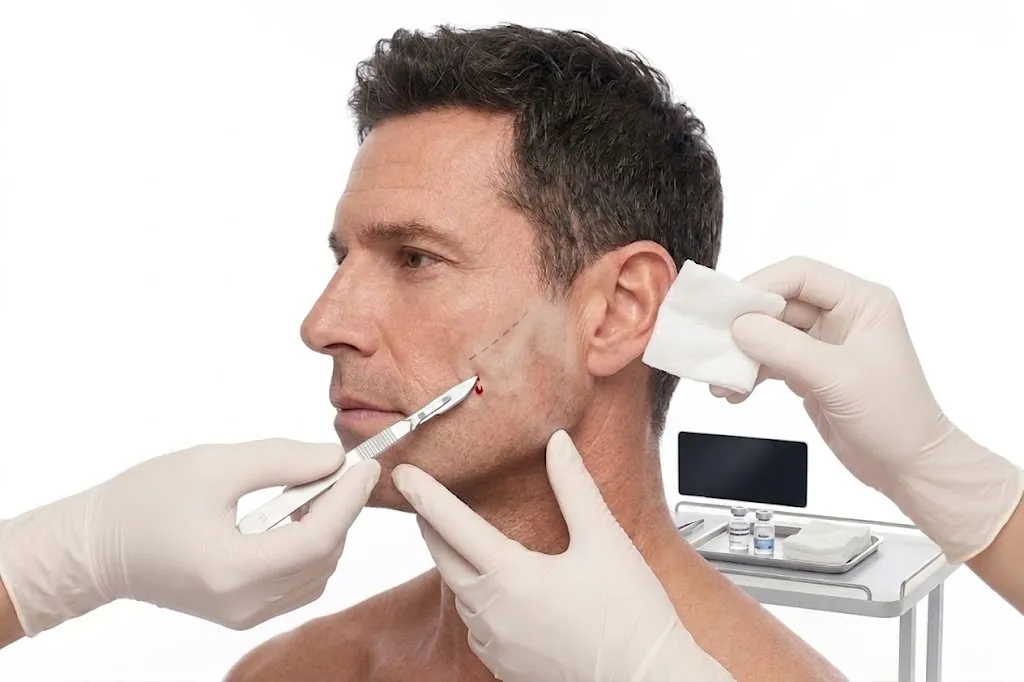
การเลาะฟิลเลอร์ออกด้วยการผ่าตัดเป็นวิธีที่เหมาะกับกรณีที่ฟิลเลอร์มีปัญหาซับซ้อน เช่น ฟิลเลอร์ที่ไม่ได้มาตรฐาน ฟิลเลอร์ที่ก่อตัวเป็นก้อนใหญ่ หรือกรณีที่มีการอักเสบและเนื้อตาย การเลาะฟิลเลอร์ต้องทำโดยศัลยแพทย์ตกแต่งที่มีประสบการณ์ เพื่อให้เอาฟิลเลอร์ออกได้อย่างครบถ้วน ลดความเสี่ยงจากรอยแผลเป็น และฟื้นฟูใบหน้าให้กลับมาเป็นธรรมชาติ
ฟิลเลอร์สลายเองได้ไหม? ต้องรอนานแค่ไหน?
สำหรับฟิลเลอร์ที่ได้มาตรฐาน โดยทั่วไปสารฟิลเลอร์จะค่อย ๆ สลายตัวไปเองตามธรรมชาติภายในระยะเวลา 6 เดือน ถึง 2 ปี ขึ้นอยู่กับ:
- ชนิดของสารฟิลเลอร์ ที่เลือกใช้
- ปริมาณของฟิลเลอร์ที่ฉีด
- ตำแหน่งที่ฉีด บริเวณที่มีการเคลื่อนไหวบ่อยจะสลายเร็วกว่า
- กระบวนการเผาผลาญของร่างกายแต่ละบุคคล
อย่างไรก็ตาม ในกรณีที่ฟิลเลอร์ไม่ได้มาตรฐานหรือมีปัญหาเร่งด่วน การรอให้สลายเองอาจทำให้อาการแย่ลง และบางกรณีอาจถาวร จึงจำเป็นต้องรีบดำเนินการแก้ไขฟิลเลอร์โดยเร็ว
สัญญาณเตือนที่ต้องรีบพบแพทย์เพื่อแก้ฟิลเลอร์ทันที
อย่าชะล่าใจหากพบอาการต่อไปนี้หลังฉีดฟิลเลอร์:
- ผิวหนังบริเวณที่ฉีดเปลี่ยนสีเป็นสีขาวหรือสีม่วงคล้ำทันทีหลังฉีด
- ปวดมากผิดปกติ หรือปวดเพิ่มขึ้นเรื่อย ๆ ไม่ลดลง
- บวมแดง ร้อน บริเวณที่ฉีดนานเกิน 48-72 ชั่วโมง
- มองเห็นก้อนฟิลเลอร์ชัดเจนใต้ผิวหนัง
- ใบหน้าไม่สมมาตร หรือผิดรูป
- มีอาการมองเห็นผิดปกติ หรือตามัวทันทีหลังฉีด (ภาวะฉุกเฉินต้องพบแพทย์ด่วน)
ทำไมต้องเลือกศัลยแพทย์ตกแต่งเพื่อเลาะฟิลเลอร์และแก้ฟิลเลอร์?
การเลาะฟิลเลอร์ ขูดฟิลเลอร์ หรือแก้ไขฟิลเลอร์ไม่ใช่เรื่องง่าย เพราะต้องอาศัยความรู้เชิงลึกเกี่ยวกับโครงสร้างใบหน้า หลอดเลือด เส้นประสาท และเนื้อเยื่อ การเลือกแพทย์ที่ไม่ใช่ศัลยแพทย์ตกแต่งมาทำหัตถการเหล่านี้ อาจก่อให้เกิดความเสียหายซ้ำซ้อน เช่น:
- แผลเป็นถาวรบนใบหน้า
- เส้นประสาทถูกทำลาย
- การสูญเสียเนื้อเยื่อถาวร
- ใบหน้าผิดรูปมากขึ้นกว่าเดิม
ศัลยแพทย์ตกแต่ง (Plastic Surgeon) คือผู้ที่ผ่านการฝึกอบรมเฉพาะทางอย่างน้อย 4-5 ปีหลังจบแพทย์ทั่วไป มีความเชี่ยวชาญทั้งด้านกายวิภาคของใบหน้า เทคนิคการผ่าตัด และการจัดการภาวะแทรกซ้อน จึงเป็นผู้ที่เหมาะสมในการแก้ฟิลเลอร์ที่มีปัญหา
เกณฑ์การเลือกสถานพยาบาลเพื่อเลาะฟิลเลอร์และแก้ไขฟิลเลอร์
เพื่อให้ได้ผลลัพธ์ที่เหมาะสมและปลอดภัย ควรพิจารณาสถานพยาบาลจากปัจจัยต่อไปนี้:
ด้านมาตรฐานสถานพยาบาล
- ได้รับการรับรองจากกระทรวงสาธารณสุข
- มีมาตรฐานระดับสากล เช่น JCI (Joint Commission International)
- อุปกรณ์ทางการแพทย์ครบครันและทันสมัย
- ห้องผ่าตัดได้มาตรฐาน มีระบบควบคุมการติดเชื้อ
ด้านทีมแพทย์
- มีศัลยแพทย์ตกแต่งที่มีใบประกอบวิชาชีพเฉพาะทาง
- มีวิสัญญีแพทย์ประจำ สำหรับการดมยาสลบในกรณีที่จำเป็น
- มีอายุรแพทย์โรคหัวใจดูแลผู้ป่วยที่มีโรคประจำตัว
- มีเภสัชกรและพยาบาลชำนาญการดูแลตลอดกระบวนการ
ด้านความโปร่งใส
- แพทย์อธิบายขั้นตอน ความเสี่ยง และผลลัพธ์ที่คาดหวังอย่างละเอียด
- มีการซักประวัติและตรวจร่างกายก่อนทำหัตถการทุกครั้ง
- มีระบบติดตามผลและดูแลหลังการรักษา
ขั้นตอนการเลาะฟิลเลอร์และแก้ไขฟิลเลอร์ที่โรงพยาบาลมาตรฐาน
- ปรึกษาแพทย์ แพทย์ซักประวัติ ตรวจดูปัญหา และวางแผนการรักษาเฉพาะบุคคล
- ตรวจร่างกายและความพร้อม เพื่อประเมินความเสี่ยงก่อนเข้ารับการรักษา
- เลือกวิธีการแก้ไข ระหว่างสลายฟิลเลอร์ ขูดฟิลเลอร์ หรือเลาะฟิลเลอร์
- ดำเนินการโดยศัลยแพทย์ ภายใต้มาตรฐานความสะอาดและความปลอดภัย
- ติดตามผลหลังการรักษา เพื่อให้มั่นใจว่าใบหน้าฟื้นตัวตามแผน
โรงพยาบาลเอเซีย: ดูแลการเลาะฟิลเลอร์และแก้ฟิลเลอร์โดยศัลยแพทย์เฉพาะทาง
โรงพยาบาลเอเซียคือโรงพยาบาลที่ผ่านการรับรองมาตรฐานจากกระทรวงสาธารณสุข และได้รับมาตรฐานสากล JCI ด้วยทีมศัลยแพทย์ตกแต่งที่มีประสบการณ์ พร้อมทีมแพทย์และพยาบาลเฉพาะทางครบทุกสาขา ปัญหาฟิลเลอร์ของท่านจะได้รับการดูแลโดยแพทย์เฉพาะทางตามมาตรฐานการรักษา
ใบหน้าเป็นสิ่งที่ส่งผลต่อความมั่นใจในชีวิตประจำวัน หากกำลังมีปัญหาจากฟิลเลอร์ การเข้ารับคำปรึกษากับศัลยแพทย์เฉพาะทางแต่เนิ่น ๆ จะช่วยให้วางแผนการแก้ไขได้เหมาะสมกว่าการปล่อยไว้
หมายเหตุ: ผลลัพธ์ของการรักษาขึ้นอยู่กับสภาพปัญหา โครงสร้างใบหน้า และการปฏิบัติตัวหลังการรักษาของแต่ละบุคคล ควรเข้ารับการประเมินจากแพทย์ก่อนตัดสินใจทุกครั้ง
Dermal filler is one of the most widely used aesthetic treatments today — for the nose, chin, forehead, nasolabial folds and elsewhere. When the result does not turn out as hoped, however, the problems that follow are often what bring patients back through the door.
Filler problems: understanding the cause before deciding on a fix
The complications seen most often are:
- Lumping, or an uneven, bumpy texture under the skin
- Migration, where the filler shifts and distorts facial proportions
- Asymmetry between the two sides of the face
- Non-approved products causing inflammation or tissue death
- Vascular occlusion, where filler blocks a blood vessel — the most dangerous complication
- Skin necrosis following poor-quality material
These usually trace back to three things: a clinic that does not meet medical standards, filler that has not been approved by the Thai FDA, and an injector without specialist training. Because the face is the most visible part of the body, the damage affects both physical appearance and emotional wellbeing.
Dissolving, scraping, surgical removal — what is the difference?
Before deciding on a correction, it helps to understand that each method suits a different situation.
1. Dissolving with hyaluronidase
Injecting the enzyme hyaluronidase works on hyaluronic acid (HA) fillers, the approved and most commonly used type. It is quick, minimally invasive and recovery is fast. Where a large volume has accumulated, or where the product is not HA-based, another method may be needed alongside it.
2. Scraping the filler out
Scraping requires precision and considerable experience. It suits cases where injection has not dissolved everything, or where filler has bound tightly to the surrounding tissue. It is often used to prepare the site before a silicone implant, or where filler has formed a firm mass.
3. Surgical removal
Surgical removal is the appropriate route for complex cases: non-approved products, large encapsulated masses, or where inflammation and tissue death are present. It should be performed by an experienced plastic surgeon, so that the material is removed completely, scarring is minimised and the face is restored as naturally as possible.
Will filler dissolve on its own? How long does it take?
Approved fillers generally break down naturally over six months to two years, depending on:
- The type of filler used
- The volume injected
- The site — areas that move frequently break down faster
- Individual metabolism
Where the product was not approved, or where there is an urgent complication, waiting is not a safe plan: symptoms can worsen and in some cases become permanent. Correction should be sought promptly.
Warning signs that need immediate medical attention
Do not wait if any of the following appear after an injection:
- Skin at the injection site turning white or dusky purple immediately afterwards
- Pain that is unusually severe, or that increases rather than settles
- Swelling, redness and heat lasting beyond 48–72 hours
- A visible lump under the skin
- Asymmetry or visible distortion
- Any change in vision or blurring immediately after injection — this is an emergency, seek care the same day
Why a plastic surgeon for filler removal and correction?
Removing or correcting filler is not a simple procedure. It requires detailed knowledge of facial anatomy, blood vessels, nerves and soft tissue. Having it done by someone who is not a plastic surgeon risks compounding the damage:
- Permanent facial scarring
- Nerve injury
- Permanent tissue loss
- Greater distortion than before
A plastic surgeon completes at least four to five years of specialist training after general medical qualification, covering facial anatomy, surgical technique and the management of complications — which is what correcting a problem filler case calls for.
Choosing a hospital for filler removal and correction
For a safe and appropriate outcome, assess a hospital on the following.
Hospital standards
- Licensed by the Ministry of Public Health
- Holding an international accreditation such as JCI (Joint Commission International)
- Complete, current medical equipment
- Accredited operating theatres with infection control
The medical team
- Plastic surgeons holding specialist medical licences
- An anaesthetist on staff where general anaesthesia is required
- A cardiologist for patients with existing conditions
- Pharmacists and trained nursing staff throughout
Transparency
- The doctor explains the steps, the risks and the expected outcome in detail
- History taking and physical examination before every procedure
- A follow-up and aftercare system
What the process looks like at an accredited hospital
- Consultation — history, examination of the problem, and a treatment plan for your case
- Physical assessment — evaluating risk before treatment
- Choosing the method — dissolving, scraping or surgical removal
- The procedure, performed by a plastic surgeon under sterile, monitored conditions
- Follow-up, to confirm recovery is going to plan
Asia Cosmetic Hospital: filler removal and correction by specialist surgeons
Asia Cosmetic Hospital is licensed by the Ministry of Public Health and holds JCI international accreditation, with a team of experienced plastic surgeons supported by specialists across the relevant disciplines. Filler complications are assessed and treated by specialists working to established clinical standards.
If filler is causing you problems, an early consultation with a specialist surgeon generally allows a better-planned correction than leaving it.
Note: Outcomes depend on the nature of the problem, individual facial structure, and how closely after-care instructions are followed. A medical assessment should precede any decision.