ทำตา 2 ชั้นกับตัดถุงใต้ตาแก้ปัญหาคนละอย่าง เปรียบเทียบให้เห็นชัดว่าปัญหาแบบไหนควรทำอะไร แบบเย็บกับแบบผ่าตัดต่างกันตรงไหน และพักฟื้นนานเท่าไร
ศัลยกรรมตาคือหัตถการที่คนไทยและชาวเอเชียนิยมทำมาก แต่หลายคนยังสับสนอยู่ว่าระหว่างทำตา 2 ชั้นกับตัดถุงใต้ตา แบบไหนตอบโจทย์ตัวเองมากกว่ากัน หรือจำเป็นต้องทำทั้งคู่หรือเปล่า
ปัญหาของดวงตาแต่ละแบบมีวิธีแก้ที่ต่างกัน การเลือกผิดอาจทำให้เสียทั้งเงินและเวลา หรือแย่กว่านั้นคือต้องเข้ารับการแก้ไขซ้ำ บทความนี้จะช่วยให้คุณเข้าใจความแตกต่าง และเลือกได้ตรงกับปัญหาของตัวเอง
ทำตา 2 ชั้น (Double Eyelid Surgery) คืออะไร?
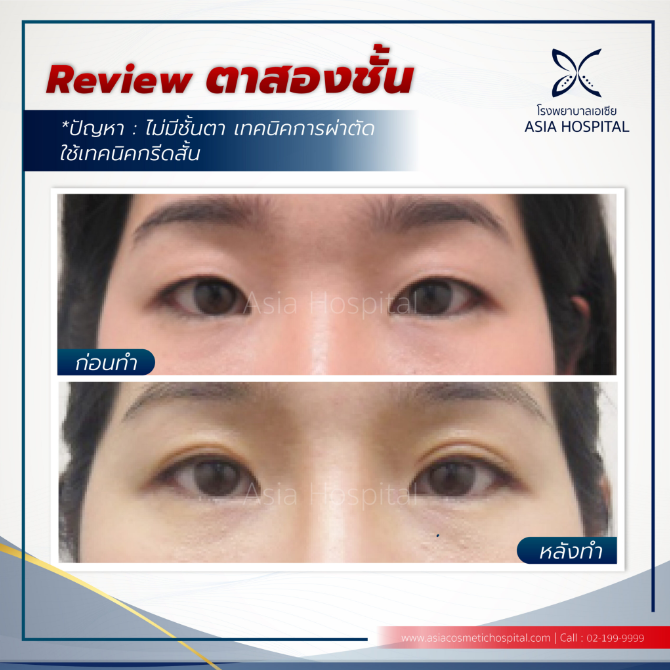
การทำตา 2 ชั้นคือการผ่าตัดสร้างรอยพับของเปลือกตาบน เพื่อให้ตาดูโตขึ้น มีมิติ และดูสดใสมากขึ้น เป็นหนึ่งในศัลยกรรมที่ได้รับความนิยมในเอเชีย โดยเฉพาะในกลุ่มคนที่มีตาชั้นเดียวหรือที่รอยพับไม่ชัดเจน

แบบเย็บ (Non-incision Double Eyelid)
วิธีนี้ใช้การเย็บด้ายพิเศษผ่านรูเล็ก ๆ เพื่อสร้างรอยพับโดยไม่ต้องกรีดแผลยาว จึงฟื้นตัวเร็วเพียง 3–7 วัน รอยแผลน้อยมากและไม่เจ็บมาก เหมาะกับผู้ที่เปลือกตาไม่หนา ไม่มีไขมันส่วนเกินมาก และต้องการผลลัพธ์รวดเร็ว
อย่างไรก็ตาม มีโอกาสที่รอยพับจะเสียได้ประมาณ 10–30% ใน 5–10 ปี ขึ้นอยู่กับสภาพผิว น้ำหนักตัวที่เปลี่ยนแปลง และการดูแลตัวเอง
แบบผ่าตัด (Incision Double Eyelid)
วิธีนี้กรีดแผลตามแนวรอยพับที่ต้องการ ทำให้แพทย์สามารถเอาเนื้อเยื่อ ไขมัน หรือกล้ามเนื้อส่วนเกินออกได้พร้อมกัน ผลลัพธ์จึงถาวรกว่าและเหมาะกับผู้ที่เปลือกตาหนา มีไขมันมาก หรือต้องการความคงทนระยะยาว ใช้เวลาพักฟื้น 1–2 สัปดาห์ และผลลัพธ์สมบูรณ์ภายใน 1–3 เดือน
ทำตา 2 ชั้นแบบเย็บแล้วจะเสียไปไหม?
เป็นคำถามที่ถามบ่อยมาก คำตอบคือ มีโอกาสเสียได้ โดยเฉพาะในผู้ที่น้ำหนักขึ้นลงบ่อย เปลือกตาหนา หรือถูกแสบตาบ่อย แบบผ่าตัดมีความถาวรกว่าอย่างมีนัยสำคัญ และหากรอยพับเสียก็สามารถแก้ไขด้วยวิธีผ่าตัดได้
ตัดถุงใต้ตา (Lower Blepharoplasty) คืออะไร?
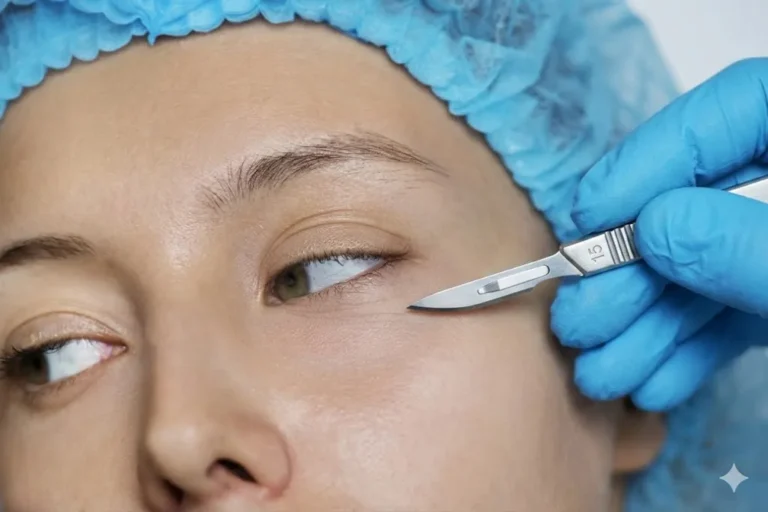
การตัดถุงใต้ตาคือการผ่าตัดเพื่อแก้ไขปัญหาบริเวณใต้ดวงตา ไม่ว่าจะเป็นถุงไขมันที่นูนออกมา ผิวหนังที่หย่อนคล้อย หรือร่องตาที่ทำให้ดูเหนื่อยล้าและแก่กว่าวัย ทำให้ใบหน้าโดยรวมดูอ่อนเยาว์และสดชื่นขึ้นอย่างชัดเจน
โดยทั่วไปนิยมทำในกลุ่มอายุ 30 ปีขึ้นไป เพราะถุงใต้ตามักเกิดจากการเสื่อมของเนื้อเยื่อตามวัย แต่ผู้ที่มีพันธุกรรมถุงใต้ตาชัดก็สามารถทำได้ตั้งแต่อายุยังน้อย
วิธีการตัดถุงใต้ตา มีกี่แบบ?
แบบกรีดผิวด้านนอก (External Approach) เหมาะสำหรับผู้ที่มีทั้งถุงไขมันและผิวหนังส่วนเกิน สามารถเอาออกได้ทั้งคู่ในครั้งเดียว
แบบกรีดผิวด้านใน (Transconjunctival Approach) แผลอยู่ด้านในเปลือกตา ไม่เห็นรอยแผลจากภายนอก เหมาะกับผู้ที่มีถุงไขมันแต่ผิวหนังยังกระชับดี มักพบในผู้ที่อายุน้อยกว่า
ตัดถุงใต้ตาแล้วจะกลับมาใหม่ไหม?
หากดูแลสุขภาพดี พักผ่อนเพียงพอ หลีกเลี่ยงแสงแดดจัด และไม่สูบบุหรี่ ผลลัพธ์สามารถอยู่ได้ 5–15 ปีขึ้นไป แต่กระบวนการเสื่อมตามวัยยังคงดำเนินต่อไปตามธรรมชาติ
เปรียบเทียบ: ควรทำแบบไหน? เลือกให้ตรงปัญหา
| ปัญหาที่พบ |
วิธีแก้ไขที่เหมาะสม |
| ตาชั้นเดียว ต้องการรอยพับ |
ทำตา 2 ชั้น แบบเย็บหรือแบบผ่าตัด |
| เปลือกตาหนา ไขมันมาก |
ทำตา 2 ชั้นแบบผ่าตัด |
| ตาตก เปลือกตาบนหย่อน |
แก้ตาตก (Ptosis Correction) ร่วมด้วย |
| ถุงใต้ตาชัด ดูเหนื่อยตลอดเวลา |
ตัดถุงใต้ตา |
| มีทั้งตาชั้นเดียวและถุงใต้ตา |
ทำพร้อมกันในครั้งเดียวได้ |
| ร่องใต้ตาลึก (Tear Trough) |
อาจใช้ไขมันของตัวเองเติมร่วมด้วย |
ระยะเวลาพักฟื้น คาดหวังอะไรได้บ้าง?
- ทำตา 2 ชั้นแบบเย็บ: พักฟื้น 3–7 วัน บวมช้ำน้อย กลับมาใช้ชีวิตปกติได้เร็ว
- ทำตา 2 ชั้นแบบผ่าตัด: พักฟื้น 1–2 สัปดาห์ อาจมีบวมช้ำมากกว่าในช่วงแรก แต่ผลลัพธ์ถาวรกว่า
- ตัดถุงใต้ตา: พักฟื้น 1–2 สัปดาห์ อาการบวมช้ำค่อย ๆ ยุบลง ผลลัพธ์สมบูรณ์ภายใน 1–3 เดือน
ในช่วงพักฟื้นควรหลีกเลี่ยงการถูหรือขยี้ตา งดแสงแดดจัด งดสูบบุหรี่และแอลกอฮอล์ และนอนหัวสูงเพื่อลดอาการบวม
ทำไมต้องเลือกแพทย์เฉพาะทางในการผ่าตัดตา?
บริเวณเปลือกตาเป็นโครงสร้างที่ละเอียดอ่อนบนใบหน้า มีทั้งกล้ามเนื้อ เส้นประสาท และหลอดเลือดที่ซับซ้อนอยู่ในพื้นที่เล็กมาก ความผิดพลาดเพียงเล็กน้อยอาจส่งผลต่อการมองเห็น การกระพริบตา หรือรูปทรงตาที่ผิดเพี้ยนถาวรได้
ควรเลือกศัลยแพทย์ตกแต่งที่มีประสบการณ์เฉพาะทางด้านศัลยกรรมตาโดยตรง และหลีกเลี่ยงคลินิกที่ไม่มีแพทย์เฉพาะทาง หรือแพทย์ที่ผ่านเพียงคอร์สอบรมระยะสั้น เพราะใบหน้าและดวงตาของคุณไม่ใช่สิ่งที่ควรเสี่ยง
โรงพยาบาลเอเซีย: ศัลยกรรมตาโดยทีมแพทย์เฉพาะทาง มาตรฐาน JCI
โรงพยาบาลเอเซียพร้อมให้บริการทั้งทำตา 2 ชั้นและตัดถุงใต้ตาทุกประเภท โดยทีมศัลยแพทย์ตกแต่งที่มีประสบการณ์และผ่านการรับรองจากแพทยสภา ภายใต้มาตรฐานกระทรวงสาธารณสุขและมาตรฐานสากล JCI พร้อมทีมวิสัญญีแพทย์ พยาบาลชำนาญการ และระบบดูแลหลังการผ่าตัดอย่างครบถ้วน
หมายเหตุ: ศัลยกรรมตาเป็นการผ่าตัดที่มีความเสี่ยงและภาวะแทรกซ้อนที่ต้องรับทราบก่อนตัดสินใจ ผลลัพธ์ขึ้นอยู่กับโครงสร้างเปลือกตา สภาพผิว และการปฏิบัติตัวหลังผ่าตัดของแต่ละบุคคล
Eyelid surgery is among the most requested procedures in Thailand and across Asia, but many people are unsure whether they need double eyelid surgery, lower blepharoplasty, or both.
Different eye concerns call for different solutions. Choosing the wrong one costs money and time, or worse, leads to revision surgery. This article sets out the difference so you can match the procedure to the problem.
What is double eyelid surgery?
Double eyelid surgery creates a crease in the upper eyelid, making the eye look larger, more defined and more awake. It is one of the most popular procedures in Asia, particularly among those with a monolid or an indistinct crease.
Non-incision (suture) method
Fine sutures are passed through small openings to form the crease, without a long incision. Recovery is quick — three to seven days — with minimal scarring and little discomfort. It suits people whose eyelids are not thick, without excess fat, who want a fast result.
The crease can, however, loosen in roughly 10–30% of cases over five to ten years, depending on skin quality, weight change and self-care.
Incision method
An incision is made along the intended crease, which lets the surgeon remove excess tissue, fat or muscle at the same time. The result is more permanent and suits thicker eyelids, more fat, or anyone wanting long-term durability. Recovery takes one to two weeks, with the final result at one to three months.
Will a sutured crease come undone?
This is asked constantly. It can, particularly in those whose weight fluctuates, whose eyelids are thick, or who rub their eyes frequently. The incision method is significantly more durable, and a lost crease can be corrected surgically.
What is lower blepharoplasty?
Lower blepharoplasty corrects the area beneath the eye: protruding fat pads, loose skin, or hollows that make the face look tired and older than it is. The result is a visibly fresher, more rested appearance.
It is generally performed from age 30 onwards, since under-eye bags usually arise from age-related tissue changes — though those with a strong hereditary tendency may have it earlier.
Approaches
External approach — suited to those with both fat pads and excess skin, both of which can be addressed in one operation.
Transconjunctival approach — the incision sits inside the eyelid, leaving no visible external scar. It suits those with fat pads but still-firm skin, typically younger patients.
Will the bags come back?
With good general health, adequate rest, sun protection and no smoking, results can last five to fifteen years or more — though the underlying ageing process continues naturally.
Which one do you need?
| Concern |
Appropriate procedure |
| Monolid, wanting a crease |
Double eyelid, suture or incision |
| Thick eyelids, substantial fat |
Double eyelid, incision method |
| Droopy lid, upper eyelid laxity |
Ptosis correction alongside |
| Prominent under-eye bags, permanently tired look |
Lower blepharoplasty |
| Both monolid and under-eye bags |
Both can be done in one operation |
| Deep tear trough |
Fat grafting may be added |
Recovery
- Double eyelid, suture: three to seven days, minimal swelling and bruising, quick return to normal life
- Double eyelid, incision: one to two weeks, more swelling and bruising early on, but a more durable result
- Lower blepharoplasty: one to two weeks, swelling and bruising settling gradually, final result at one to three months
During recovery, avoid rubbing the eyes, avoid strong sunlight, avoid smoking and alcohol, and sleep with the head elevated to reduce swelling.
Why a specialist surgeon?
The eyelid is among the most delicate structures on the face, with muscle, nerves and blood vessels packed into a very small area. A small error can affect vision, blinking, or leave a permanently distorted eye shape.
Choose a plastic surgeon with direct experience in eyelid surgery, and avoid clinics without specialist surgeons, or doctors whose training amounts to a short course. Your eyes are not the place to take that risk.
Asia Cosmetic Hospital: eyelid surgery by specialist surgeons
Asia Cosmetic Hospital performs both double eyelid surgery and lower blepharoplasty, with experienced plastic surgeons certified by the Medical Council, under Ministry of Public Health licensing and JCI international accreditation, supported by anaesthetists, trained nursing staff and a structured aftercare system.
Note: Eyelid surgery carries risks and possible complications that should be understood before proceeding. Results depend on eyelid structure, skin quality and how closely after-care instructions are followed.