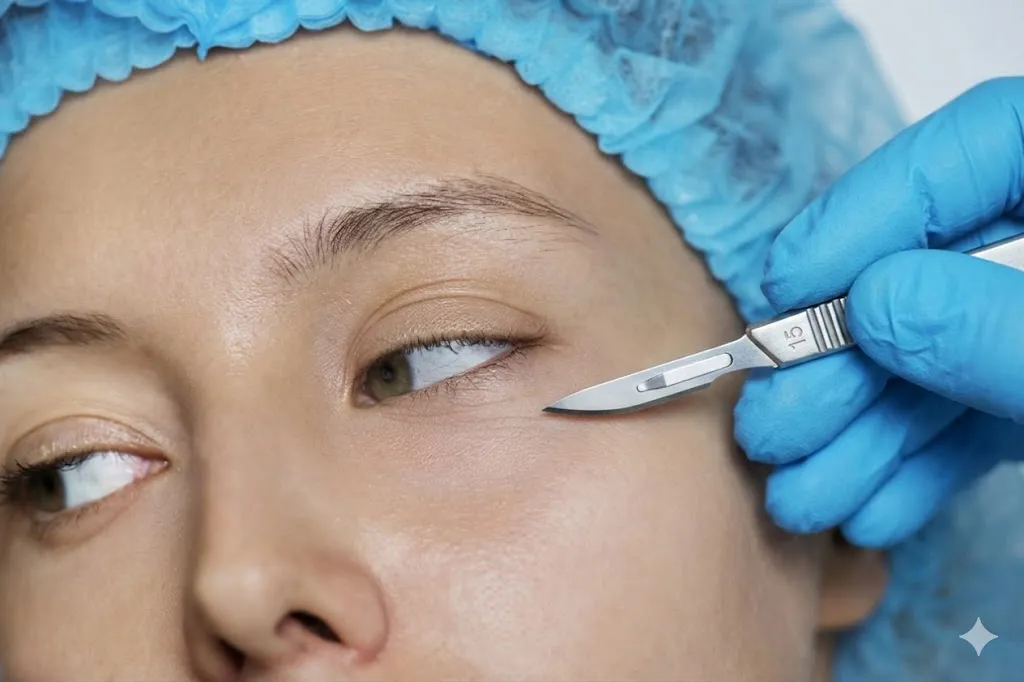
รวมสิ่งที่ควรเตรียมและคำถามที่ควรถามแพทย์ก่อนเข้ารับการผ่าตัดตาสองชั้น ตั้งแต่การประเมินสภาพเปลือกตา การเตรียมร่างกาย ไปจนถึงการวางแผนพักฟื้น
การผ่าตัดตาสองชั้นเป็นหัตถการที่มีผู้สนใจมาก แต่ผลลัพธ์ที่ออกมาดีไม่ได้ขึ้นอยู่กับวันผ่าตัดเพียงอย่างเดียว การเตรียมตัวล่วงหน้าและความเข้าใจที่ตรงกันระหว่างผู้เข้ารับบริการกับแพทย์ มีผลต่อทั้งความปลอดภัยและความพึงพอใจในระยะยาว บทความนี้รวบรวมสิ่งที่ควรรู้ก่อนตัดสินใจ
1. เข้าใจว่าเปลือกตาแต่ละคนไม่เหมือนกัน
ความหนาของเปลือกตา ปริมาณไขมัน ความหย่อนของผิวหนัง และความแข็งแรงของกล้ามเนื้อยกเปลือกตา ล้วนต่างกันในแต่ละคน สองคนที่อยากได้ชั้นตาแบบเดียวกันจึงอาจเหมาะกับเทคนิคคนละแบบ แพทย์จะประเมินโครงสร้างเหล่านี้ก่อนเสนอแนวทางที่เหมาะกับคุณ
2. แยกให้ออกระหว่างเทคนิคกรีดสั้น กรีดยาว และเย็บ
แต่ละเทคนิคมีข้อบ่งชี้ต่างกัน ไม่ใช่ว่าเทคนิคใดดีกว่าโดยรวม เช่น ผู้ที่มีผิวหนังเปลือกตาหย่อนมากอาจต้องตัดผิวหนังส่วนเกินออกด้วย ขณะที่ผู้ที่เปลือกตาบางและไขมันน้อยอาจมีทางเลือกมากกว่า ควรให้แพทย์อธิบายเหตุผลว่าทำไมจึงแนะนำเทคนิคนั้นกับคุณ
3. ตรวจสอบสิทธิ์ของสถานพยาบาลและแพทย์
ก่อนตัดสินใจ ควรตรวจสอบว่าสถานพยาบาลได้รับอนุญาตประกอบกิจการถูกต้อง และแพทย์มีใบอนุญาตประกอบวิชาชีพเวชกรรม สามารถตรวจเลขที่ใบอนุญาตของแพทย์ได้จากเว็บไซต์แพทยสภา ข้อมูลนี้เป็นสิทธิ์ของผู้เข้ารับบริการที่จะถามได้เสมอ
4. แจ้งประวัติสุขภาพให้ครบ
โรคประจำตัว ยาที่ใช้อยู่ อาหารเสริม วิตามิน สมุนไพร ประวัติแพ้ยา และประวัติการผ่าตัดที่ผ่านมา ควรแจ้งทั้งหมด ยาและอาหารเสริมบางชนิดมีผลต่อการแข็งตัวของเลือดและอาจต้องหยุดก่อนผ่าตัดตามคำแนะนำของแพทย์ อย่าหยุดยาประจำตัวเองโดยไม่ปรึกษาแพทย์
5. วางแผนวันพักฟื้นให้พอ
อาการบวมช้ำในช่วงแรกเป็นเรื่องปกติของกระบวนการหาย ควรเผื่อวันหยุดงานและหลีกเลี่ยงการนัดหมายสำคัญในช่วงแรก การประคบตามคำแนะนำ นอนหนุนหมอนสูง และพักผ่อนให้เพียงพอ ช่วยให้ช่วงพักฟื้นราบรื่นขึ้น
6. เตรียมคำถามไปถามแพทย์
คำถามที่ควรถามในวันปรึกษา:
- โครงสร้างเปลือกตาของฉันเหมาะกับเทคนิคใด และเพราะอะไร
- มีข้อจำกัดหรือความเสี่ยงเฉพาะตัวของฉันหรือไม่
- ต้องพักฟื้นประมาณกี่วันจึงกลับไปทำงานได้
- ต้องมาตรวจติดตามผลกี่ครั้ง และเมื่อไร
- หากผลลัพธ์ไม่เป็นไปตามที่วางแผนไว้ มีแนวทางดูแลอย่างไร
7. ตั้งความคาดหวังบนพื้นฐานความจริง
การผ่าตัดตาสองชั้นช่วยปรับโครงสร้างชั้นตา แต่ไม่ได้เปลี่ยนโครงหน้าโดยรวม และผลลัพธ์ขึ้นอยู่กับโครงสร้างเดิมของแต่ละบุคคล การพูดคุยกับแพทย์อย่างตรงไปตรงมาถึงสิ่งที่ต้องการและสิ่งที่เป็นไปได้จริง คือขั้นตอนที่สำคัญที่สุดขั้นหนึ่งก่อนตัดสินใจ
สรุป
การเตรียมตัวที่ดีเริ่มจากการเข้าใจสภาพร่างกายของตัวเอง เลือกสถานพยาบาลที่ตรวจสอบได้ และสื่อสารกับแพทย์อย่างเปิดเผย หากมีข้อสงสัยเพิ่มเติม สามารถนัดหมายเพื่อขอคำปรึกษาและให้แพทย์ประเมินเป็นรายบุคคลก่อนตัดสินใจ
ผลลัพธ์ขึ้นอยู่กับแต่ละบุคคล ข้อมูลในบทความนี้มีวัตถุประสงค์เพื่อให้ความรู้ทั่วไป ไม่ใช่คำวินิจฉัยหรือคำแนะนำทางการแพทย์เฉพาะราย กรุณาปรึกษาแพทย์เพื่อรับการประเมินที่เหมาะกับคุณ
Double eyelid surgery is one of the most commonly requested procedures, but a good outcome depends on far more than the day of the operation itself. Preparing in advance, and reaching a shared understanding with your doctor, affects both safety and long-term satisfaction. Here is what to know before deciding.
1. Every eyelid is different
Skin thickness, fat volume, skin laxity and the strength of the levator muscle all vary from person to person. Two people who want the same crease may be suited to entirely different techniques. Your doctor will assess these structures before recommending an approach.
2. Understand the difference between the techniques
Incisional, partial-incision and suture methods each have their own indications — none is universally better. Someone with significant excess eyelid skin may need that skin removed, while someone with thin lids and little fat may have more options. Ask your doctor to explain why a particular technique suits you.
3. Verify the facility and the doctor
Before deciding, confirm that the facility is properly licensed and that your doctor holds a medical licence. In Thailand a doctor’s licence number can be checked through the Medical Council of Thailand. You are always entitled to ask for this information.
4. Disclose your full health history
Existing conditions, current medications, supplements, vitamins, herbal products, allergies and previous surgeries should all be disclosed. Some medications and supplements affect blood clotting and may need to be paused before surgery on your doctor’s advice. Never stop a prescribed medication on your own.
5. Plan enough recovery time
Swelling and bruising in the early period are a normal part of healing. Allow time away from work and avoid scheduling important commitments soon after. Following cold-compress instructions, sleeping with your head elevated and resting adequately all help the recovery period go more smoothly.
6. Bring questions to your consultation
- Which technique suits my eyelid structure, and why?
- Are there any risks or limitations specific to me?
- How many days of recovery before I can return to work?
- How many follow-up visits will I need, and when?
- If the result does not go as planned, what is the approach?
7. Set expectations grounded in reality
Double eyelid surgery adjusts the structure of the eyelid crease; it does not change your overall facial structure, and results depend on your existing anatomy. An open conversation with your doctor about what you want and what is realistically achievable is one of the most important steps before deciding.
In summary
Good preparation starts with understanding your own anatomy, choosing a facility you can verify, and communicating openly with your doctor. If you have further questions, you are welcome to book a consultation for an individual assessment before making a decision.
Results vary between individuals. This article is for general information only and is not a diagnosis or individual medical advice. Please consult a doctor for an assessment appropriate to you.